Wednesday, September 30, 2026

EOTO Reflection

After listening to my classmates present on several different sources of technology, I was able to reflect and process how much I did not actually know about technology as a whole.

When watching my classmates' presentations, I was able to learn a lot of information about different pieces of technology that I had not considered before. One specific piece of technology that I learned about was the radio. I definitely did not realize how relevant radio is in today's society. I have always known radio to be what we can listen to in the car that plays music and has hosts speaking in between. As I am not someone who ever listens to the radio in the car, I would have assumed that I do not engage with radio at all. However, I learned that the technology behind the radio is the same technology used for things we use every day, like bluetooth and scanning our passports to enter buildings on campus. 

Another source of technology that I enjoyed learning about was YouTube. YouTube has made content creation a lot more approachable for people who are looking to get their foot in the door with this industry. YouTube has erased the barrier to entry for media creation, making it much easier for people to share information with the public, whether it be for educational, entertainment, persuasive, or any other purpose. YouTube has also changed how we, as society, consume information. It has opened the door to a larger culture of video content. YouTube is one of the first sources many people will turn to for news/updates, podcasts, movies, or many other things. Another common use of YouTube that I have noticed is summary videos of different books or educational concepts. This helps the app to also double as a study tool, which gives it a much stronger reputation.

In conclusion, I thoroughly enjoyed getting to learn from my classmates about each different source of technology. I would have considered myself familiar with most of these sources that were covered, but after hearing more about them, I realized how little I actually knew. This helped to deepen my appreciation for technology and how far society has come through different technological advancements.


Thursday, September 24, 2026

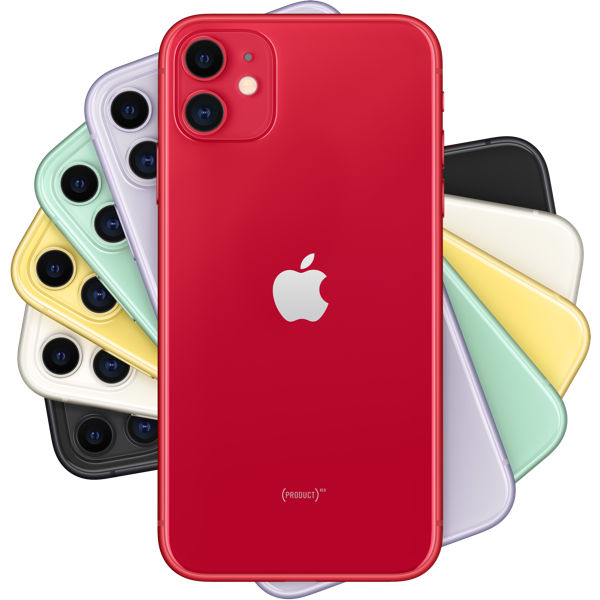
EOTO - iPhone


The Device That Put the Internet in Our Pockets

In 2007, Apple introduced a product that would permanently change how people communicate. The first iPhone combined a phone, music player, camera, and internet browser into a single touchscreen device. While smartphones existed before the iPhone, none had the same impact on everyday communication. What began as a new kind of mobile phone quickly became a technology that transformed how people connect with one another, access information, and interact with the world.

The iPhone's influence can still be seen today. Modern communication relies heavily on mobile devices, and many of the features people take for granted, such as mobile apps, touchscreen keyboards, video calling, and instant access to information, became mainstream after the iPhone's release.

The History Behind the iPhone

The iPhone was developed by Apple under the leadership of Steve Jobs. During the early 2000s, mobile phones were often difficult to use. Most relied on physical keyboards and small screens that limited internet browsing. Apple saw an opportunity to create a more user-friendly device that could combine multiple technologies into one product.

Jobs unveiled the first iPhone on January 9, 2007, at the Macworld Conference in San Francisco. During his presentation, he famously introduced it as three separate products: a widescreen iPod, a revolutionary mobile phone, and an internet communications device. The surprise came when he revealed that all three were actually one product.

The problem Apple hoped to solve was simple but significant. People carried multiple devices and struggled with mobile internet access. Existing smartphones often required styluses and complicated menus. Apple wanted to create a device that used a simple touchscreen interface, making communication and web browsing easier for average consumers.

Although many people initially questioned whether users would adapt to a keyboard-less phone, the iPhone's popularity quickly proved its success. Within a few years, competing companies began redesigning their products around touchscreen technology, fundamentally changing the smartphone industry.

How the iPhone Changed Communication

The iPhone transformed communication by making digital interaction instant and mobile. Before smartphones became common, people primarily communicated through phone calls, text messages, or email on desktop computers. The iPhone combined all of these methods into one portable device.

One of the most significant changes was the rise of mobile internet use. People no longer needed to wait until they got home to check email, search for information, or browse websites. Communication became constant and immediate.

The introduction of the App Store in 2008 accelerated this transformation. Applications such as Facebook, Instagram, WhatsApp, Snapchat, and Zoom allowed people to communicate through text, photos, videos, and live video calls. The smartphone became more than a phone; it became the primary communication tool for millions of people around the world.

The iPhone also changed journalism, business, education, and emergency communication. News can now be reported and shared instantly. Employees can work remotely from almost anywhere. Students can access educational materials from their phones. During emergencies, smartphones provide immediate access to information and assistance.

The Negative Effects of the iPhone

Despite its benefits, the iPhone has also created challenges. One major concern is screen addiction. Many people spend hours each day on smartphones, often at the expense of face-to-face interaction.

Social media applications, which thrive on smartphone use, have also been linked to anxiety, cyberbullying, and decreased attention spans. Constant notifications can distract users from school, work, and personal relationships.

Privacy is another concern. Smartphones collect large amounts of personal data, including location information and online activity. While companies have implemented security measures, many users remain concerned about how their information is stored and shared.

Additionally, the expectation of constant availability can create stress. Because people can always be reached through their phones, it can be difficult to disconnect from work or social obligations.

Conclusion

Few technologies have had as much influence on modern communication as the iPhone. Created to simplify mobile communication and internet access, it evolved into a device that reshaped daily life. The iPhone made communication faster, more mobile, and more accessible than ever before. However, its impact has not been entirely positive, bringing concerns about privacy, screen time, and digital dependence. Even with these challenges, the iPhone remains one of the most important communication technologies of the twenty-first century, demonstrating how a single invention can transform the way people connect with the world and with each other.


AI Disclosure -- AI was used in the making of this blog post. I provided a prompt with the given assignment and asked Copilot to write at least 500 words. It was written and formatted by AI, and I proofread it and added photos.

Wednesday, September 16, 2026

Privacy, Online & Off

Today, we live in a very digital age. Anywhere you go, you are surrounded by a variety of technological devices and services, whether it be cell phones, digital watches or cameras, tablets, computers, or much more. While this digital age can be a major contribution to society on many personal and professional levels, it can also cause great harm, especially in the realm of privacy. 

One TED Talk that really stood out to me on this topic was Juan Enriquez's "Big Data, Tattoos, Immorality," He makes a strong connection of a tattoo being something permanent on our body. We often fail to consider the impact our digital footprint can have, and how often our privacy can be invaded online. Our privacy is compromised more than we should be comfortable with it, and a majority of the time, we don't even realize it. We also tend to think that the things we post online are temporary or can be taken down with the click of a button. However, just like a tattoo, we can never fully get rid of it. The damage has been done, and the information has been released. The things we post online can also say a lot about who we are and what we value, similar to a tattoo. It creates a lasting representation of who we are, and says a lot more about us than we would think. 

With other relatively new concepts like Touch ID and Face ID, it makes it much easier to quickly access tons of information on a person. We can find various amounts of information about a person before we ever even interact with them. Sometimes this can even include information we didn't necessarily consent to revealing. One TED Talk that we watched in class discussed the contract of adhesion. This is a contract in which one party holds all the power. While this is technically considered illegal, we enter into it more often than one would think any time we bypass reading a contract.

As someone who already opts to not use social media in my everyday life, this gives me a stronger sense of peace with not interacting with it as much as the rest of society. I think we can all be more careful with protecting ourselves from future privacy invasions by being overly cautious with what information we willingly hand out, and paying attention to where we are putting this information.

Monday, September 7, 2026

Eight Values of Free Expression


After learning about the Eight Values of Free Expression, one that really stands out to me is "Promote Innovation." I think this is important because creativity is a huge way that people choose to express themselves, so by limiting someone to a specific way of thinking or doing things, they would be restricted from freely expressing themselves. In Living Originalism by Jack Balkin, he says that the Constitution should have space to adapt and grow, while also maintaining its original principles. From our class notes, "Promote Innovation" is defined as: "a community in which free speech is valued and protected is likely to be a more energized, creative, interesting society as its citizens actively fulfill themselves in many diverse and interesting ways." By encouraging citizens to promote innovation, we are creating a safer environment where people can think outside of the box, whether personally or professionally. Allowing people to express themselves freely puts no limit to what they feel they can or cannot do or say. While we should still use our best judgment in terms of what thoughts and ideas we share publicly, we should never feel limited to what we can dream of. By allowing people to be creative and experiment with new ideas, we keep our society from growing stagnant in any way. It also keeps our world interesting and engaging when we feel we have a space to express creativity and innovation. By forcing everyone to think the same way, we are stripping people of using gifts they may have been given to think more outside the box. Promoting innovation allows us to challenge beliefs, introduce new perspectives, and create something new from scratch.

Another expression that stands out to me is "Individual Self Fulfillment." In class, this was defined as: "free speech enables individuals to express themselves and thereby create their own identity — and, in the process perhaps, find kindred spirits. Freedom of speech thus becomes an aspect of human dignity, human agency and autonomy." It is crucial for citizens to feel they have a voice in this world. It is normal for people to have different beliefs, views, ideas, attitudes, interests, experiences, and personalities, but this will not serve anyone any good if we feel that we are not able to express that. Our differences are what make us who we are, and without communicating that to those around us, we all lose a piece of what makes us unique. According to a review of Human Liberty and Freedom of Speech, being able to express who we are is crucial because it helps us to develop our own identities and contribute new perspectives to society. If we were all meant to think and act the same, then we all would have been created the same. Sometimes our differences can be what unify us and create a stronger society and culture. If we are all forced to take on one identity, we are preventing individual growth and personality development. It is important for people to be able to express their true selves, without feeling like they have to fit a certain standard in order to fit in with society.